Blog Articles

Deck Oven vs Conveyor Pizza Oven: Choosing for a Commercial Kitchen

Deck Oven vs Conveyor Pizza Oven: Choosing for a Commercial Kitchen

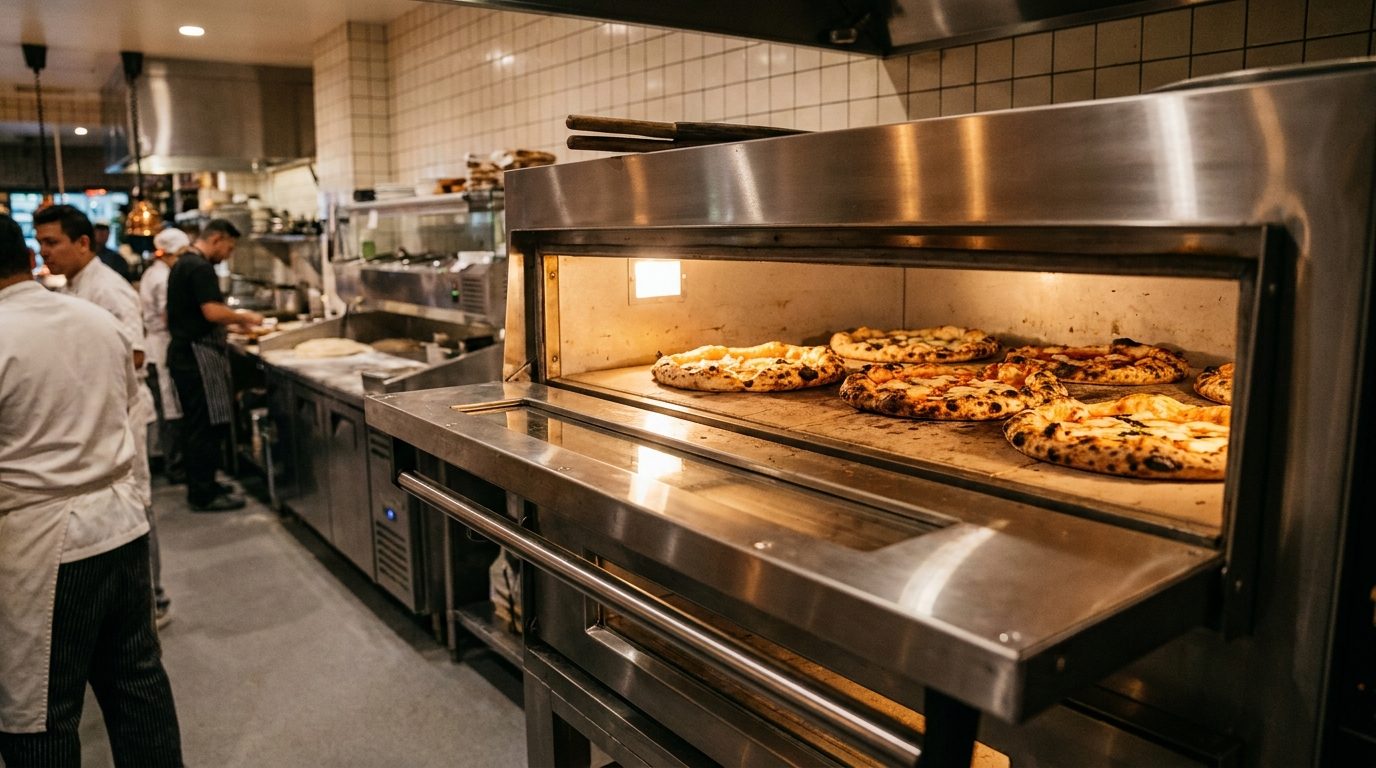
A deck oven bakes pizza on a hot hearth, with a chef judging when each pizza is ready β€” it gives you crust character and menu flexibility, but output depends on the person at the door. A conveyor oven carries pizzas through a heated tunnel on a belt at a fixed speed, so every pizza gets an identical bake with almost no skill required, at the cost of control. High-volume delivery and chain operations lean conveyor; pizzerias selling crust quality lean deck.

Read moreabout Deck Oven vs Conveyor Pizza Oven: Choosing for a Commercial Kitchen

How to Choose a Bottle Cooler for a Shop or CafΓ©

How to Choose a Bottle Cooler for a Shop or CafΓ©

"Bottle cooler" covers two genuinely different machines, and buying the wrong one is the most common mistake in this category. A wine bottle cooler holds a small number of bottles at a controlled serving temperature, usually behind a glass door in a restaurant, bar or home. A beverage display chiller is a merchandising fridge: an upright glass-door cabinet that keeps soft drinks, water and juice cold and visible to a shopper. If your goal is selling chilled bottled drinks off

Read moreabout How to Choose a Bottle Cooler for a Shop or CafΓ©

Soft Serve vs Batch Freezer: Which Ice Cream Machine Suits Your Shop
Soft Serve vs Batch Freezer: Which Ice Cream Machine Suits Your Shop

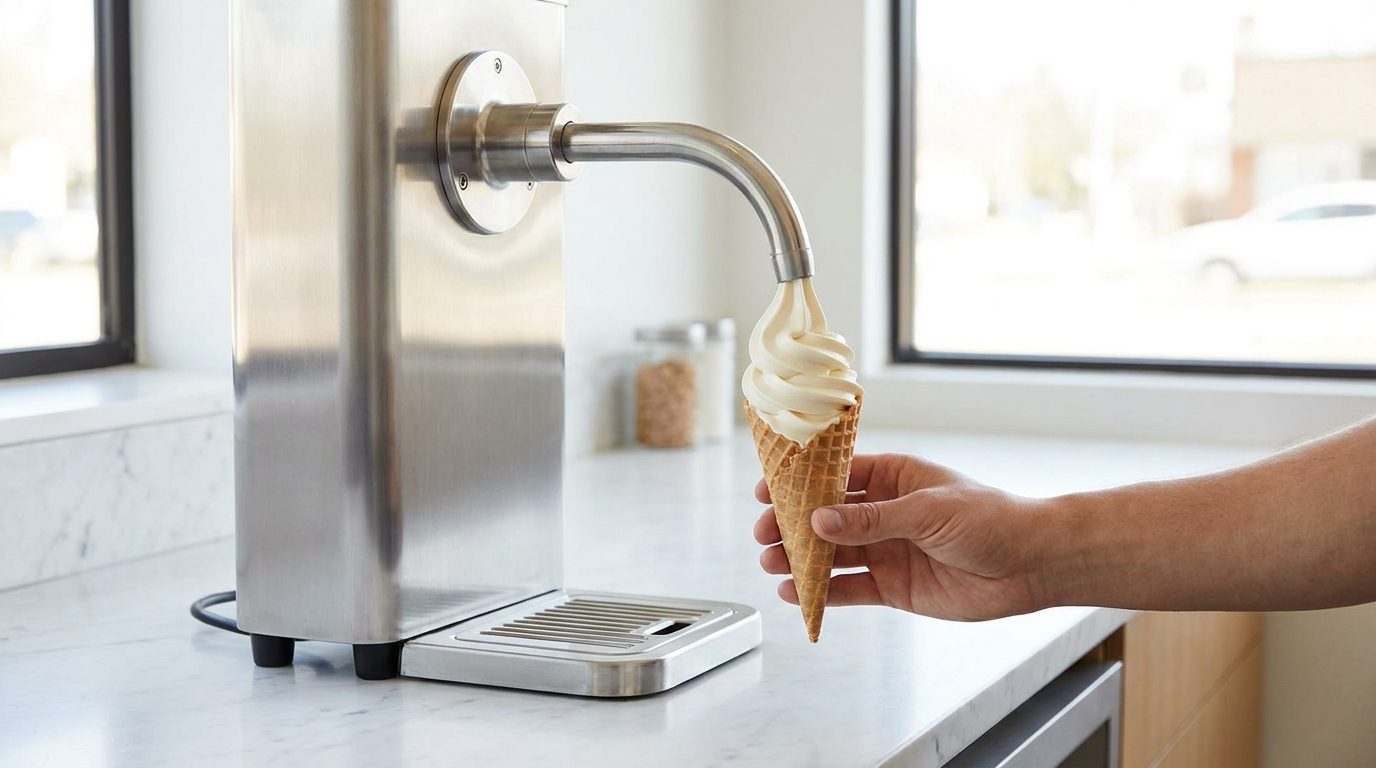
A soft serve machine freezes mix continuously and dispenses it straight into the cone at serving temperature, so you get a cone in seconds but only the flavours loaded in the cylinders. A batch freezer (usually sold as a hard ice cream machine) churns one batch at a time, which you then harden and scoop from a display β€” slower to produce, but it gives you dense scooping ice cream and an unlimited flavour list. The choice is a service-model decision, not a quality ranking.

Read moreabout Soft Serve vs Batch Freezer: Which Ice Cream Machine Suits Your Shop

Cold storage for restaurants: running a cold chain that holds in a tropical climate

Cold storage for restaurants: running a cold chain that holds in a tropical climate

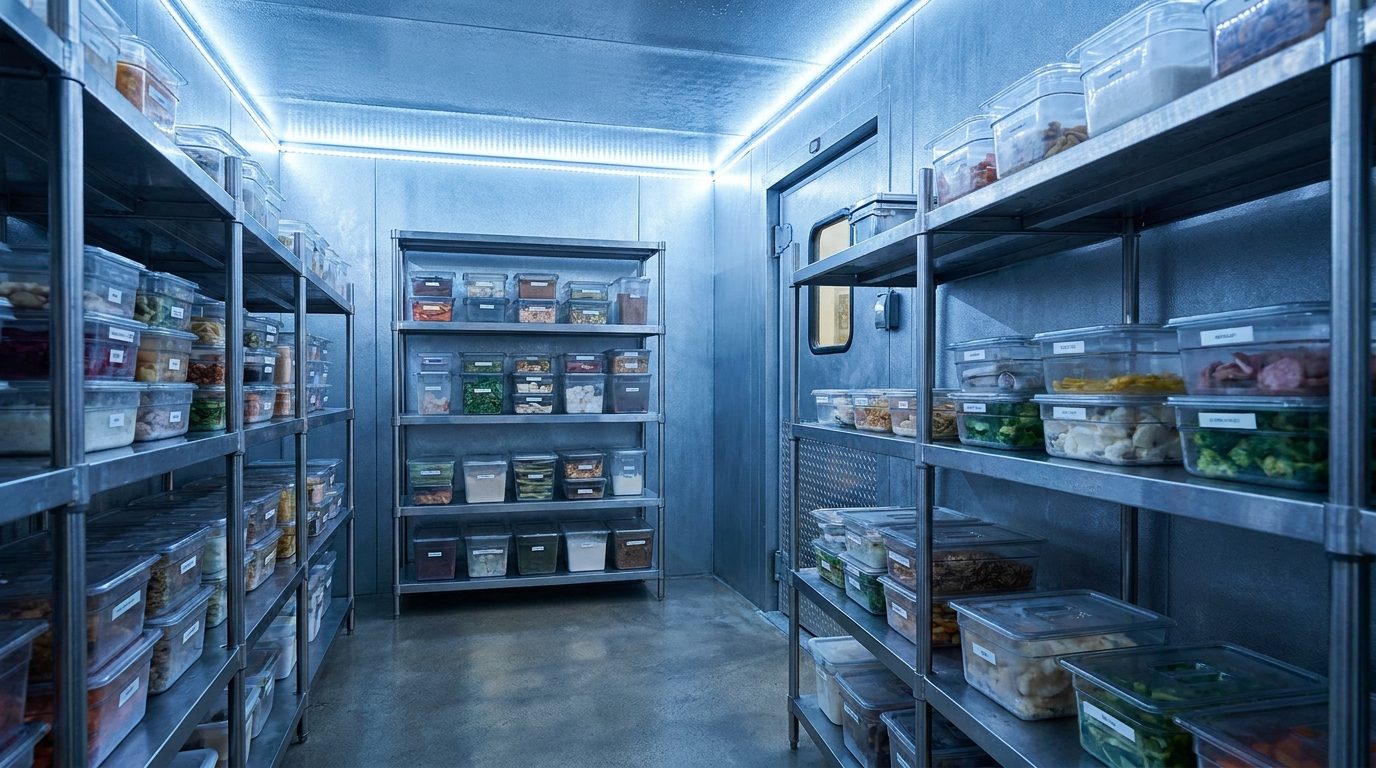
Cold storage for a restaurant is not one cabinet, it is a chain: product arrives cold, gets into refrigeration before it warms, is held at a stable temperature in a zone that matches how fast it moves, is cooled quickly after cooking, and is monitored at every step. The chain breaks at the joins β€” the loading area, the trolley waiting outside the walk-in, the tray of curry left to cool on the bench β€” far more often than it breaks inside a working cabinet.

Read moreabout Cold storage for restaurants: running a cold chain that holds in a tropical climate
Types of commercial refrigerators and which one your kitchen needs
Types of commercial refrigerators and which one your kitchen needs

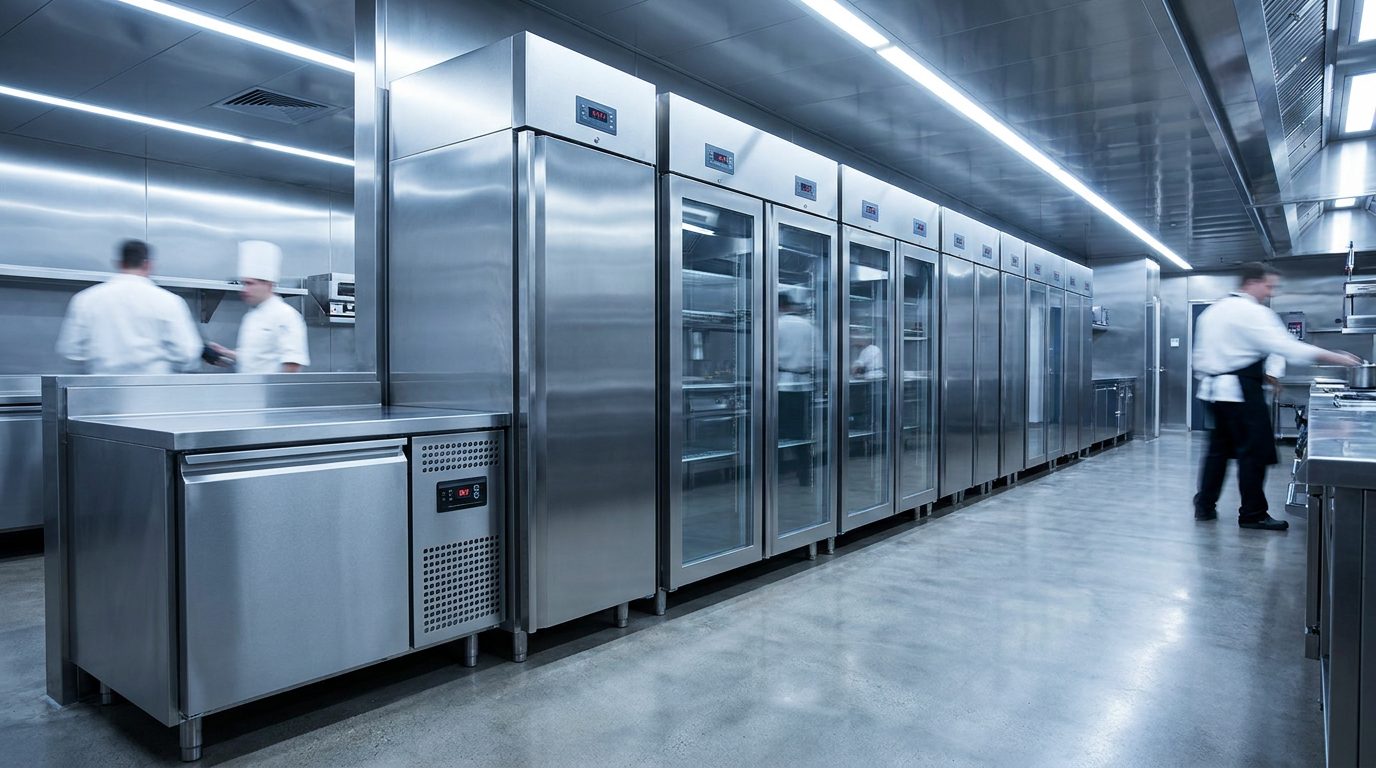
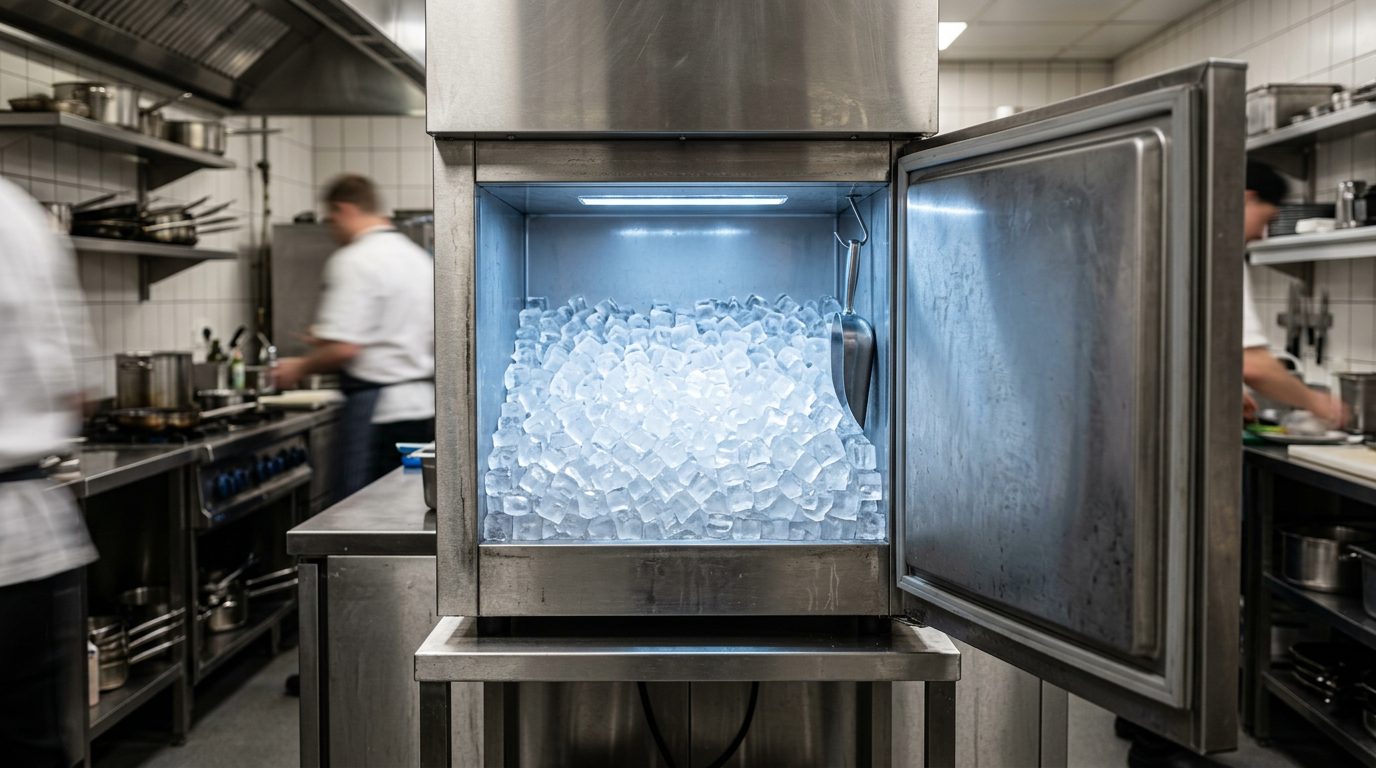
Commercial refrigeration divides into a handful of distinct types: upright reach-in chillers and freezers for bulk storage, undercounter units for point-of-use storage, refrigerated prep benches that combine storage with a work surface, blast freezers for rapid temperature pull-down, glass-door display units for merchandising, and specialist cabinets such as patisserie showcases and wine coolers. Each solves a different problem, and most kitchens need three or four of them ra

Read moreabout Types of commercial refrigerators and which one your kitchen needs

Why your ice machine is not making ice: water, scale, heat and airflow
Why your ice machine is not making ice: water, scale, heat and airflow

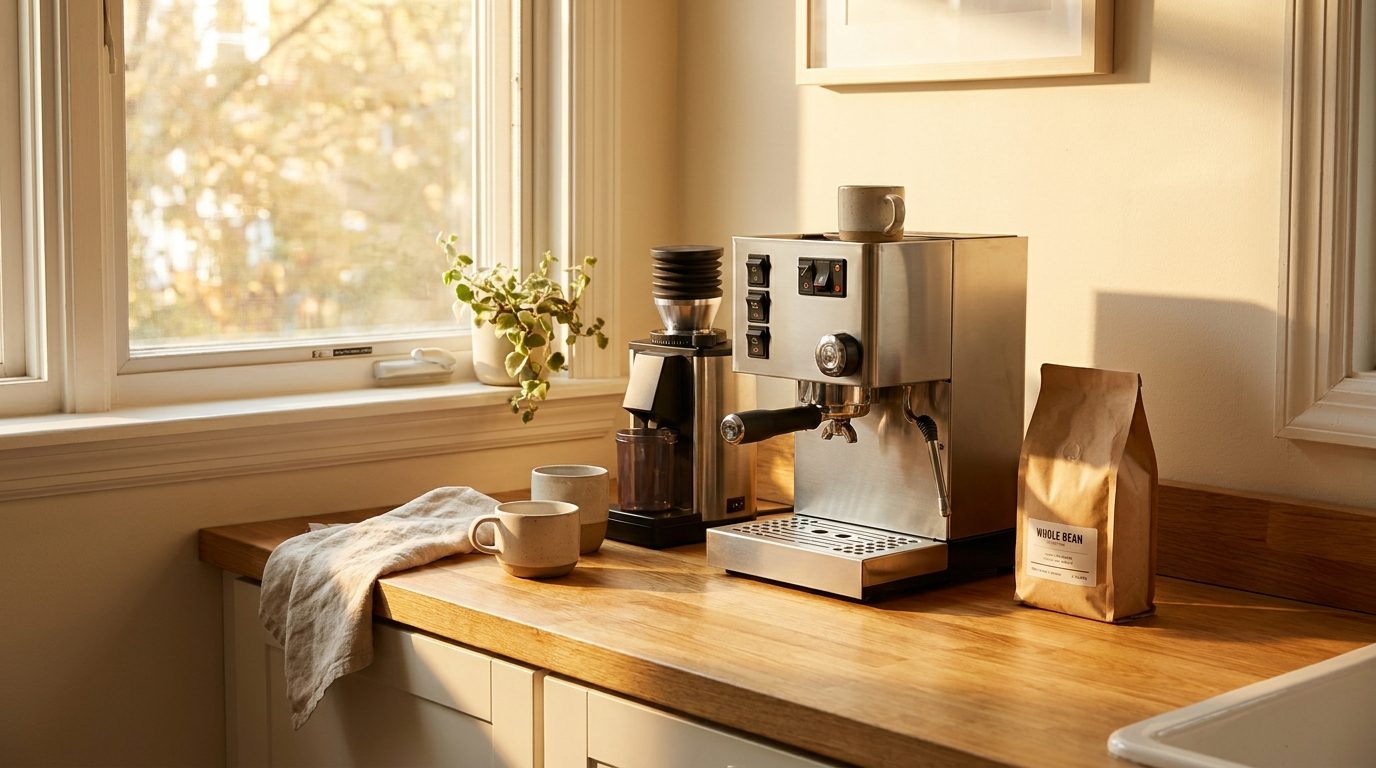
When an ice machine stops making ice, the cause is usually water or heat rather than a failed compressor. In order of likelihood: scale or sediment blocking the water distribution and float system, a clogged condenser or air filter starving the machine of airflow, an inlet water supply that has been shut off or throttled, an installation with too little clearance in a hot kitchen, or a machine that is simply overdue for its cleaning cycle. Work through those five before assum

Read moreabout Why your ice machine is not making ice: water, scale, heat and airflow

Home espresso machine setup: what you actually need to buy first
Home espresso machine setup: what you actually need to buy first

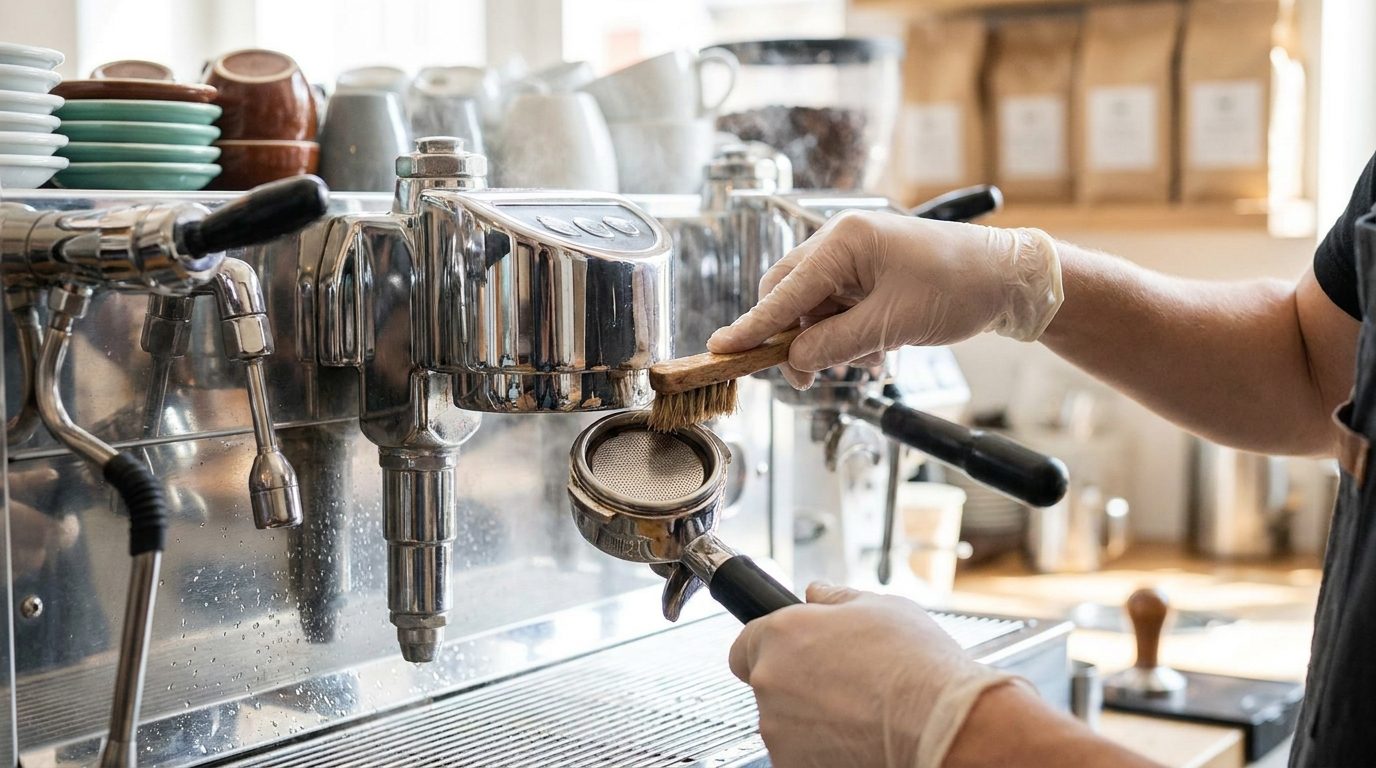
A home espresso machine setup is four parts, not one: a pump espresso machine with a portafilter, a grinder you can adjust in fine steps, a tamper and scale matched to your basket, and water that will not scale the boiler. Most disappointing home setups fail on the second and fourth of those, not the first β€” a good machine fed by a coarse, inconsistent grinder and hard tap water will never produce a repeatable shot.

Read moreabout Home espresso machine setup: what you actually need to buy first

How to clean a commercial espresso machine: a maintenance schedule that holds up in service
How to clean a commercial espresso machine: a maintenance schedule that holds up in service

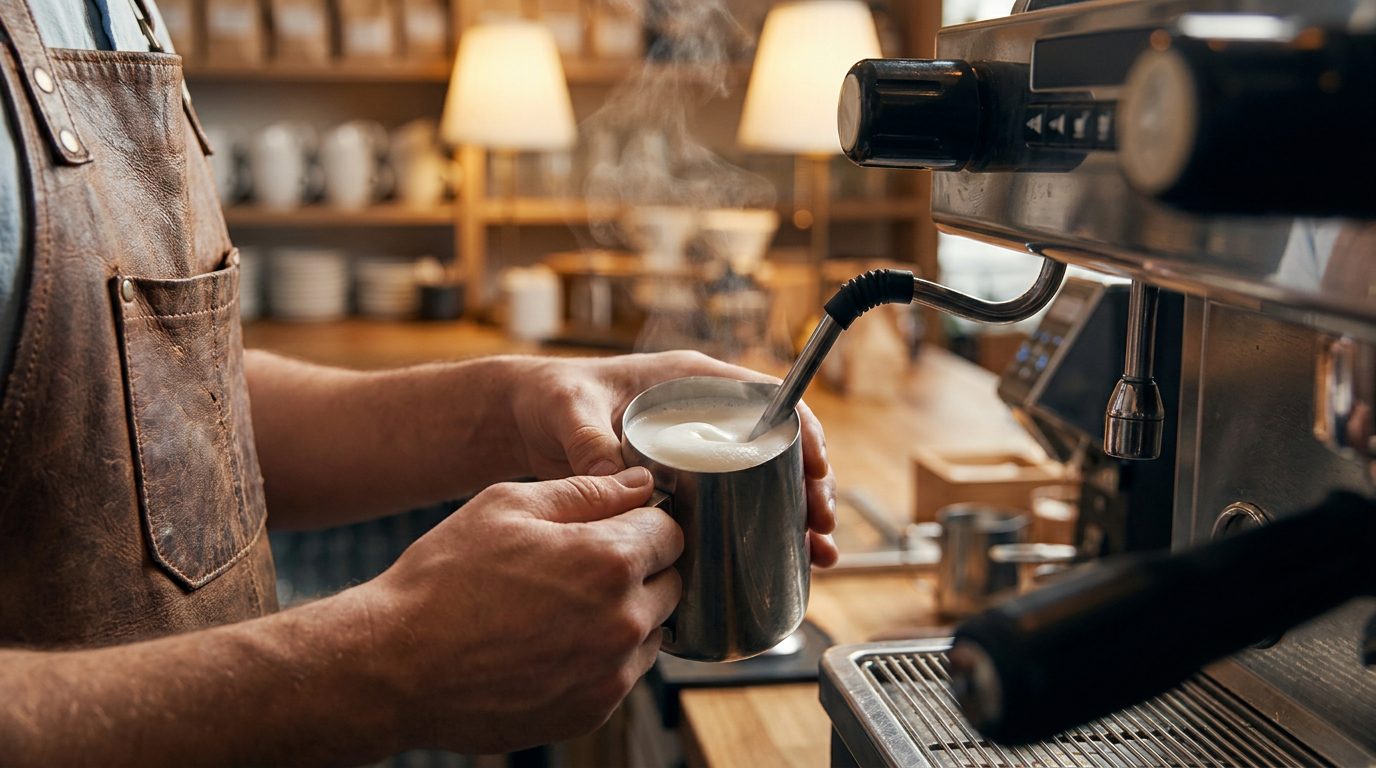
A commercial espresso machine needs three layers of cleaning: a daily close-down (backflush the groups with detergent, brush the group heads, soak baskets and portafilters, purge and wipe the steam wands, empty and rinse the knock box), a weekly deep clean (shower screens off, gaskets inspected, grinder burrs and hopper degreased, drip tray and drain line flushed), and a periodic service cycle (gasket and screen replacement, water filter change, descaling where your water dem

Read moreabout How to clean a commercial espresso machine: a maintenance schedule that holds up in service

Milk frothing pitcher size guide: choosing the right jug for latte art

Milk frothing pitcher size guide: choosing the right jug for latte art

Choose a pitcher that holds roughly twice the milk you are steaming: fill to the base of the spout and leave the rest as expansion room. As a working rule, a small jug handles one small milk drink, a mid-size jug around 450–600 ml handles one large drink or two small ones, and anything approaching a litre is for batch steaming, not for latte art. Steaming a small amount of milk in an oversized jug is the most common reason a beginner cannot get microfoam.

Read moreabout Milk frothing pitcher size guide: choosing the right jug for latte art