
Blog Articles

GN pan sizes chart and how to set up a buffet line
GN pan sizes chart and how to set up a buffet line

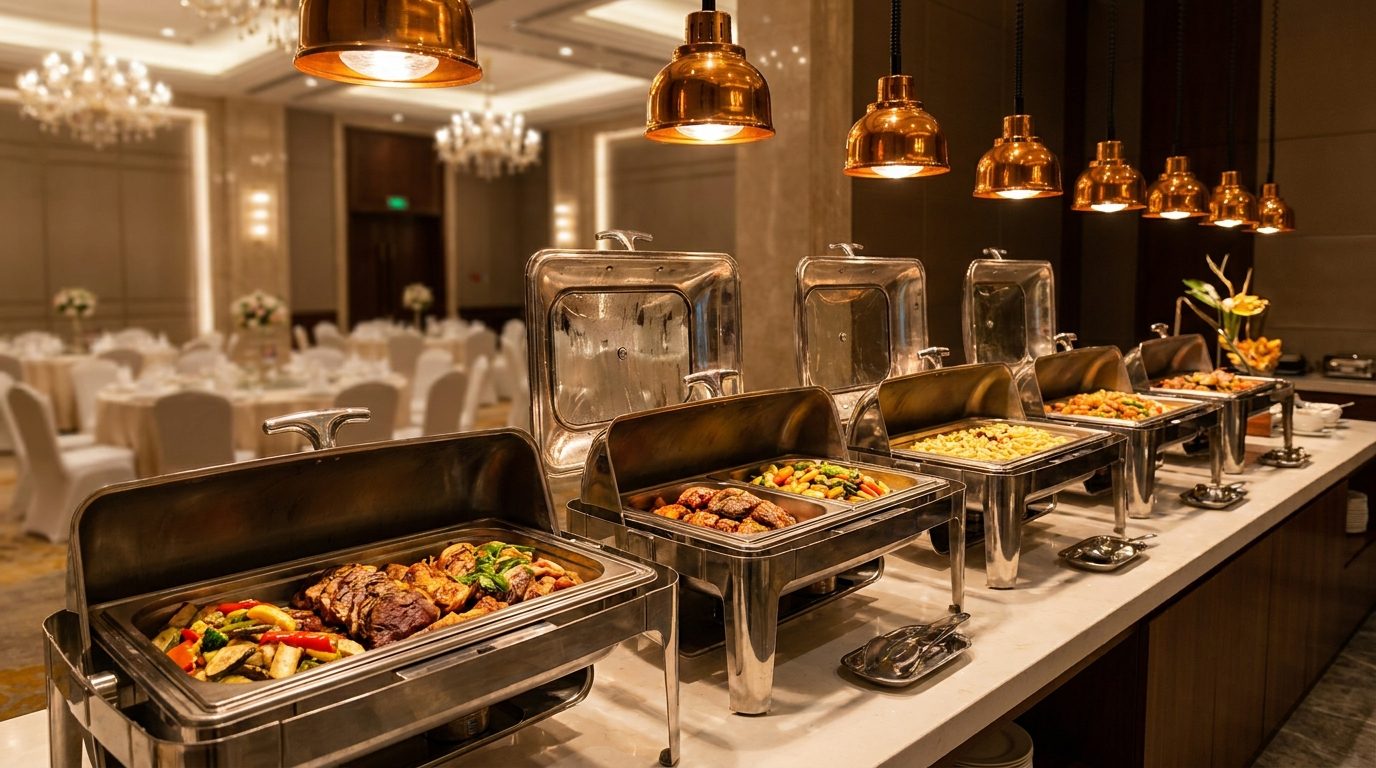
Gastronorm (GN) is an international dimensional standard for food pans, built on one base module β€” GN 1/1, measuring 530 Γ— 325 mm β€” with every other size a defined fraction or multiple of it. Because the standard is dimensional rather than brand-specific, a GN pan, a chafing dish frame, a bain marie well and a GN trolley from different makers all interlock, which is exactly why buffet operations standardise on it. This guide gives the size chart, explains what pan depth actua

Read moreabout GN pan sizes chart and how to set up a buffet line

Hotel food and beverage equipment list, department by department
Hotel food and beverage equipment list, department by department

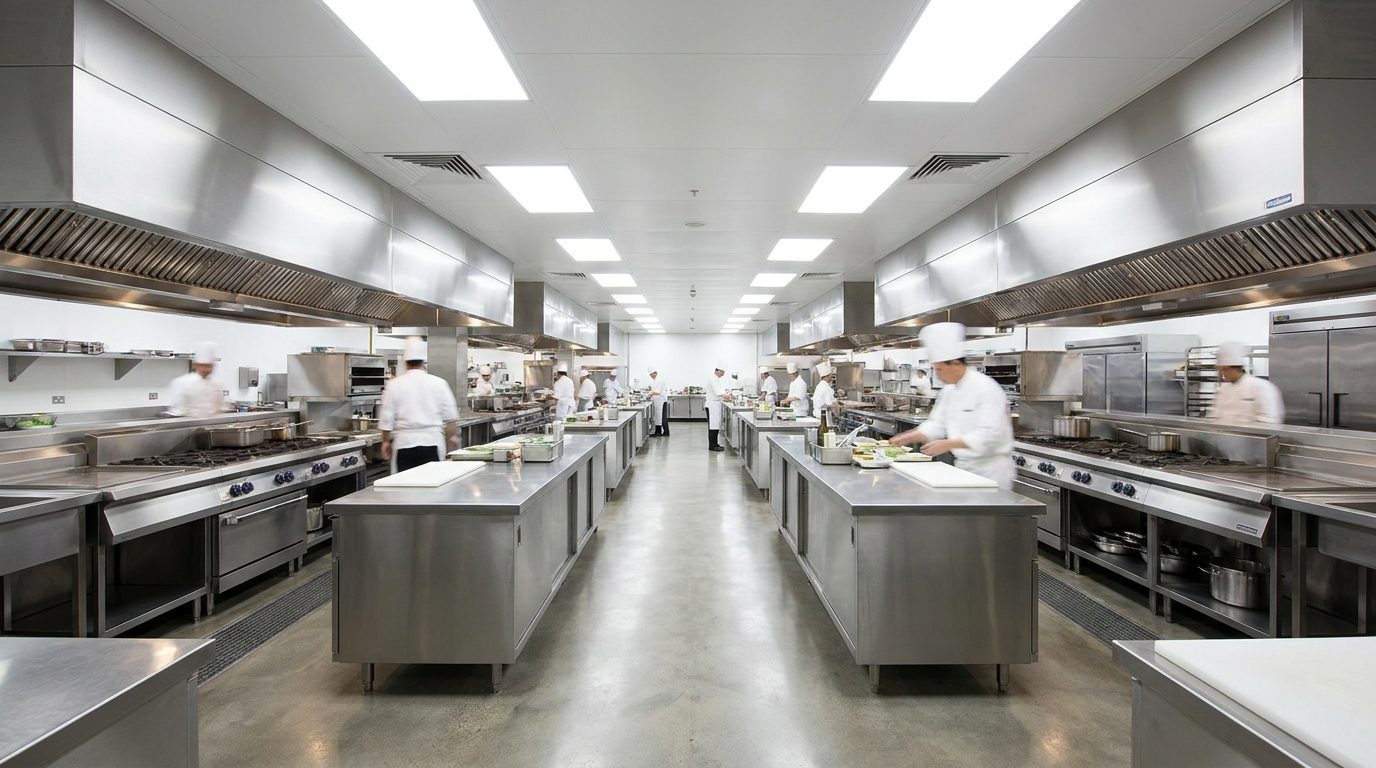
A hotel food and beverage equipment list is only useful when it is grouped the way the property actually operates: the production kitchen that cooks, the service outlets that sell, the banquet operation that scales up and down, and the back-of-house support that keeps both running. Buying department by department stops the two failures that cost hotels the most β€” duplicating capacity in two kitchens, and commissioning an outlet with no holding or transport equipment behind it

Read moreabout Hotel food and beverage equipment list, department by department

How to Use a Commercial Meat Slicer Safely
How to Use a Commercial Meat Slicer Safely

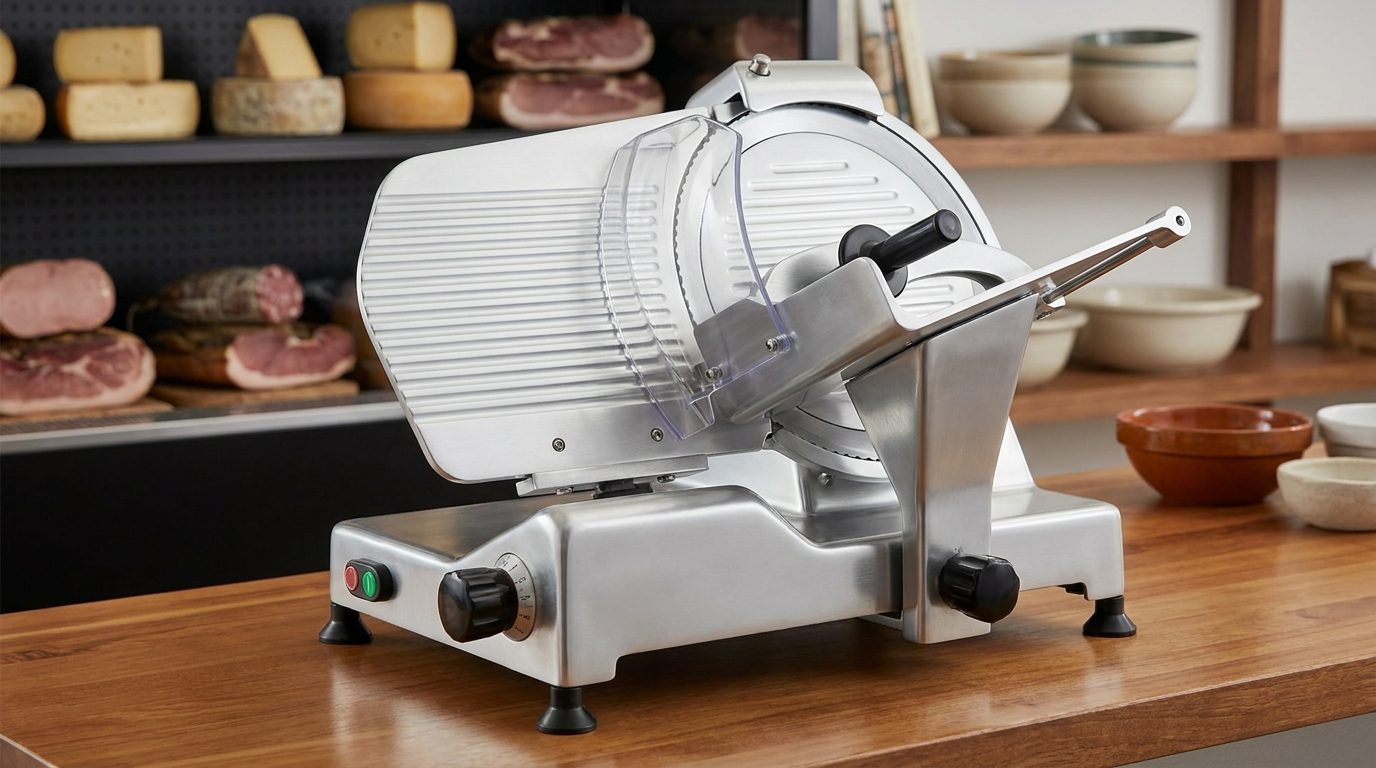
A commercial meat slicer is the most dangerous machine on most prep benches, because the blade is large, exposed at the cutting edge and turning fast enough that contact causes serious injury before anyone can react. Safe operation comes down to a short set of habits: never slice without the food holder, return the thickness gauge to zero every time you stop, and never clean or sharpen the machine while it is connected to power.

Read moreabout How to Use a Commercial Meat Slicer Safely

Commercial Vegetable Cutting Machine: How to Equip a Prep Station
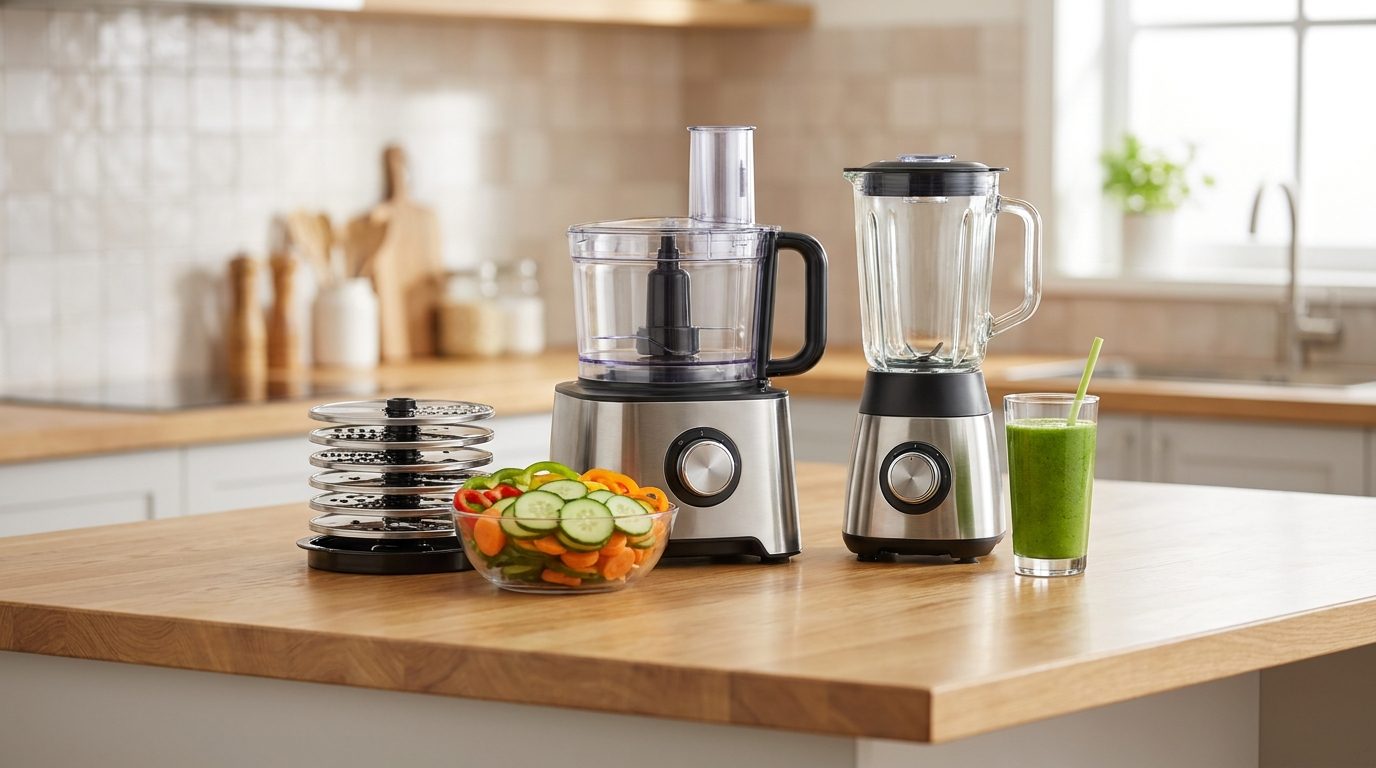
Commercial Vegetable Cutting Machine: How to Equip a Prep Station

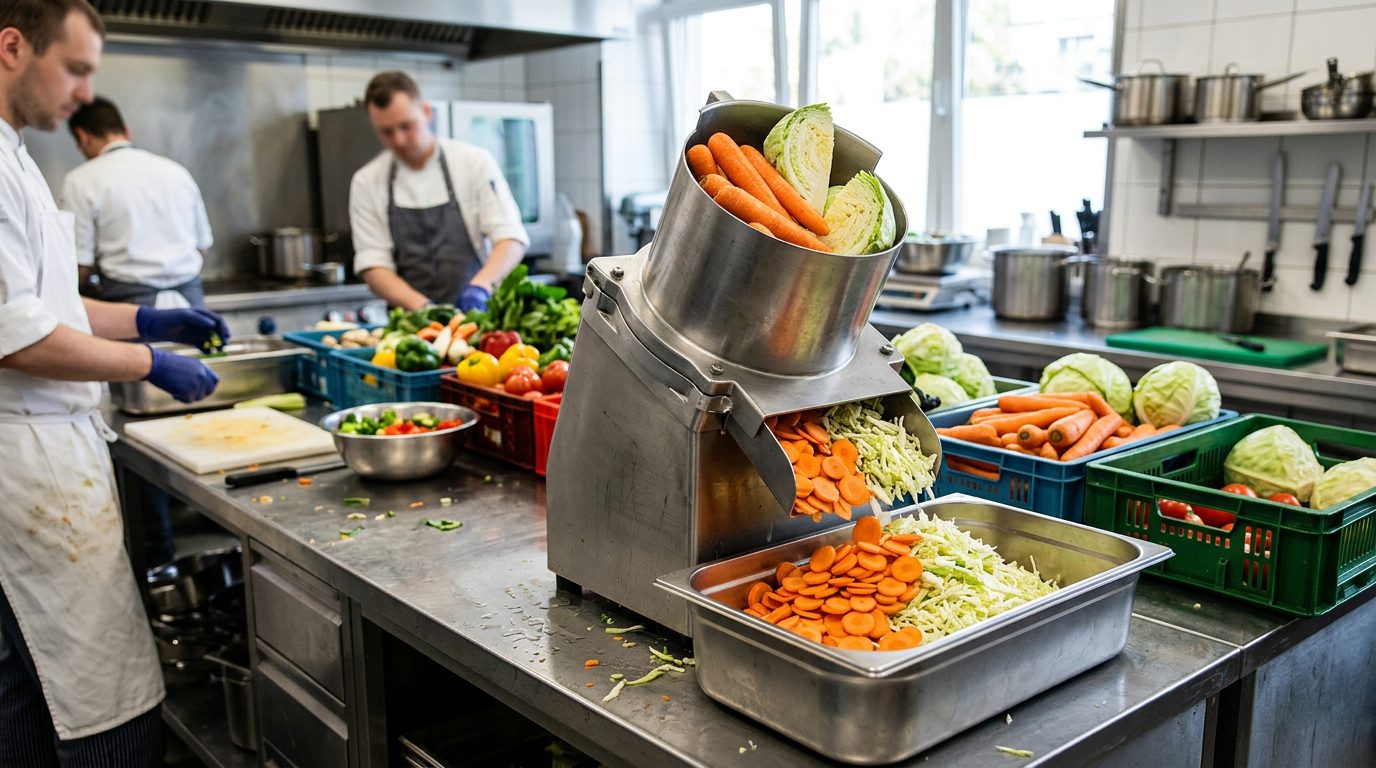
A commercial vegetable cutting machine replaces the slowest, most repetitive job in any kitchen: turning sacks of raw produce into uniform, service-ready cuts. The machine you need depends less on your menu than on your volume and your cut shapes β€” a continuous-feed disc cutter, a batch peeler, a dedicated onion machine and a bowl chopper all solve different parts of the same problem.

Read moreabout Commercial Vegetable Cutting Machine: How to Equip a Prep Station

Food Processor vs Blender vs Grinder: Which Machine Does What
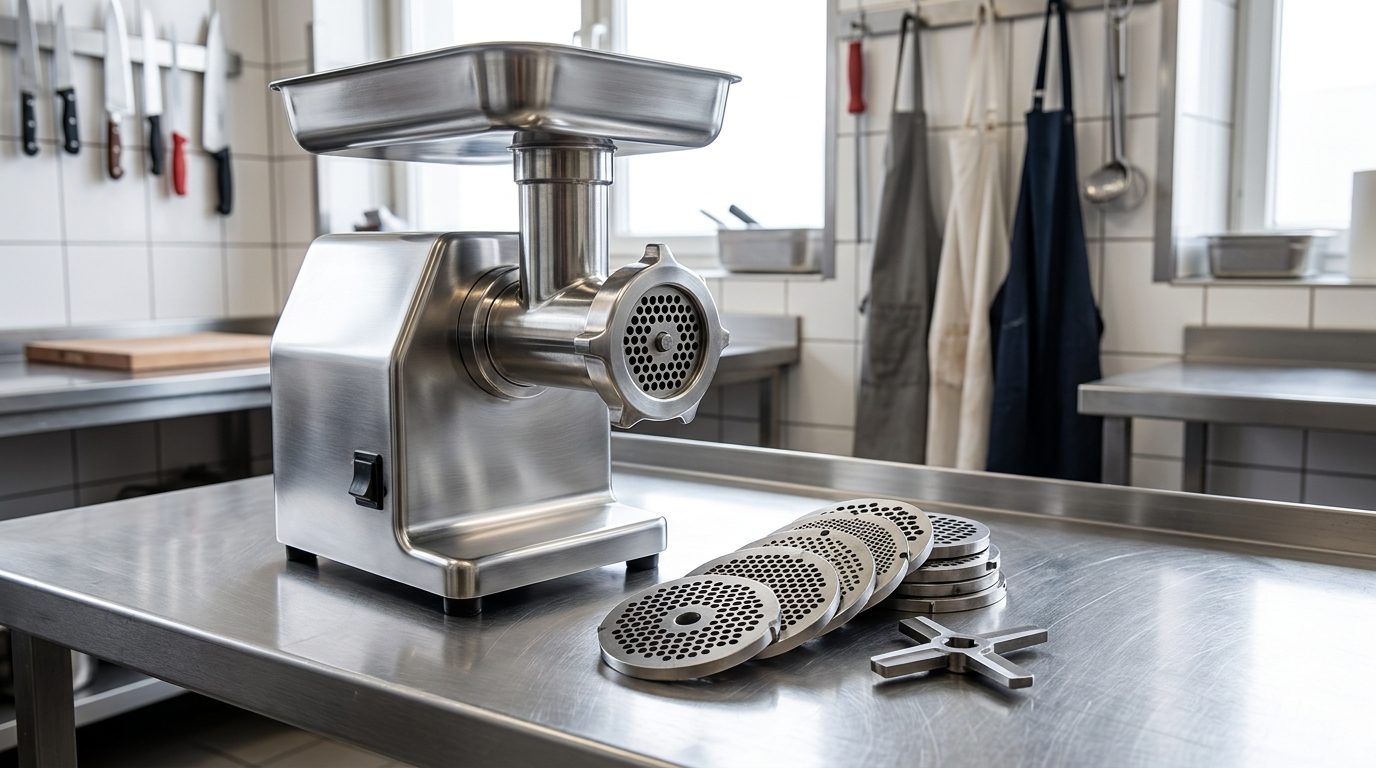
Food Processor vs Blender vs Grinder: Which Machine Does What

The food processor vs blender difference comes down to liquid and blade geometry. A blender uses a tall narrow jar and high blade speed to pull ingredients into a vortex β€” it needs liquid, and it makes things smooth and pourable. A food processor uses a wide shallow bowl with a slow-sweeping blade or a cutting disc β€” it works with little or no liquid, and it gives you control over how coarse the result is. A grinder is a third machine again: a small sealed chamber built to re

Read moreabout Food Processor vs Blender vs Grinder: Which Machine Does What

Meat Mincer Plate Size Guide: Hole Diameters and Real Throughput
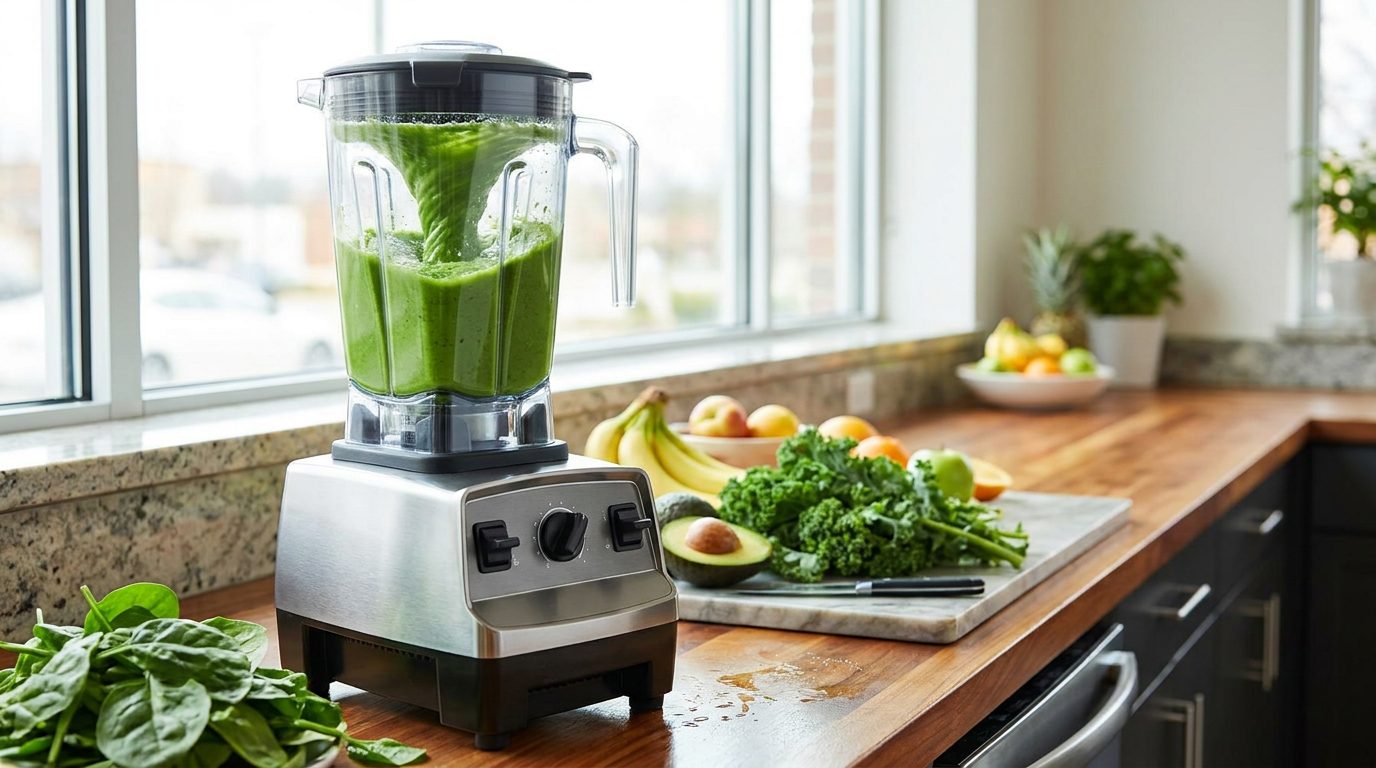
Meat Mincer Plate Size Guide: Hole Diameters and Real Throughput

Mincer plate size is the hole diameter of the perforated disc the meat is forced through, and it controls texture more than any other variable. Small holes give a fine, cohesive mince for sausage and pΓ’tΓ©; large holes give a coarse, open texture for burgers and meatballs. The second number that matters is throughput β€” and the kg-per-hour figure on a mincer is a laboratory best case, not what your kitchen will see.

Read moreabout Meat Mincer Plate Size Guide: Hole Diameters and Real Throughput

Commercial Blender vs Home Blender: What Duty Cycle Really Means
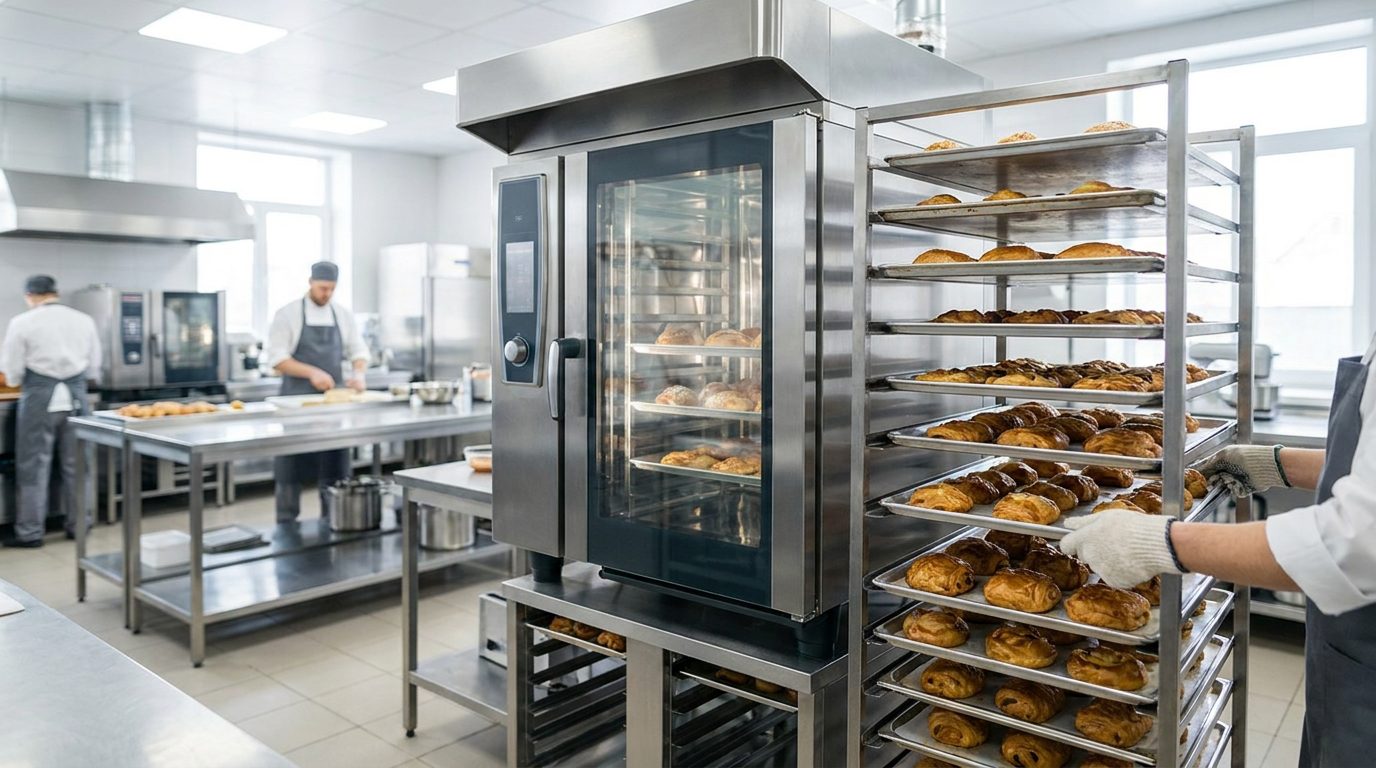
Commercial Blender vs Home Blender: What Duty Cycle Really Means

A commercial blender is engineered to run under load, repeatedly, for a full trading day. A home blender is engineered for short bursts with long cooling gaps in between. That single engineering difference β€” duty cycle β€” explains why a domestic jug blender that works perfectly in a kitchen at home starts cutting out, smelling hot and losing power within months on a busy juice bar.

Read moreabout Commercial Blender vs Home Blender: What Duty Cycle Really Means

How Many Trays Does Your Commercial Oven Need?
How Many Trays Does Your Commercial Oven Need?

Tray capacity is not a number you pick from a brochure β€” it is the result of an arithmetic you do backwards from your daily output. Take the units you need to sell, divide by units per tray, then divide by how many bake cycles your production window allows. That gives trays per bake, which is the figure that should decide the oven. Buying by headline tray count without doing that sum is the most common reason a bakery outgrows an oven in its first year or runs an over-sized o

Read moreabout How Many Trays Does Your Commercial Oven Need?

What Temperature Should a Pizza Oven Be?

What Temperature Should a Pizza Oven Be?

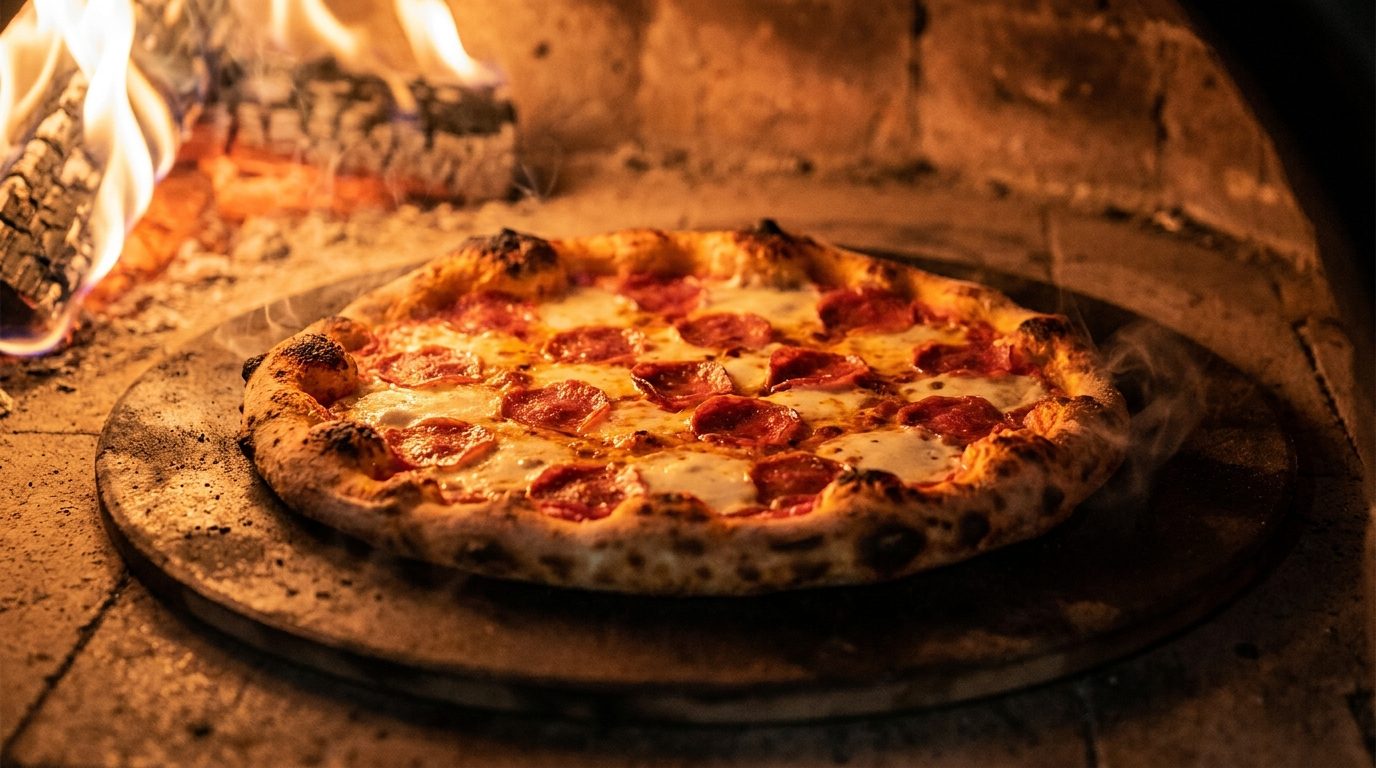
The right temperature for a pizza oven depends on the style you are baking, not on the oven's maximum setting. Neapolitan pizza is baked at roughly 430–480Β°C for 60–90 seconds; New York-style thin crust sits around 290–320Β°C for six to ten minutes; pan, deep-dish and Sicilian styles bake nearer 260–290Β°C for twelve minutes or more. Most commercial electric and gas deck ovens are built for the middle of that range rather than the extreme top of it, so match the oven to the piz

Read moreabout What Temperature Should a Pizza Oven Be?